


A strong personal brand helps professionals stand out in today’s competitive digital landscape. By defining your value, optimizing your online presence, creating meaningful content, and networking authentically, you can build trust, increase visibility, and unlock long-term career opportunities.
In today’s digital landscape, cultivating a powerful personal brand has become essential for professionals at every career stage. Skills alone aren’t enough to capture opportunities; employers and collaborators now look for people who communicate their values, strengths, and thought leadership through a cohesive online and offline presence. This year, the demand for authenticity and clarity in one’s personal brand continues to rise as recruiters, clients, and peers research potential candidates through social media, personal websites, and professional networks. Establishing a well-defined personal brand not only differentiates you from the competition but also builds lasting trust with your audience.
In this article, we explore proven strategies for defining, refining, and sharing your personal brand. You will learn how to identify your unique value proposition, optimize key channels such as LinkedIn and a personal website, create engaging content, network authentically, and measure your progress. By the end of this guide, you’ll have actionable steps to position yourself as a recognized authority in your field and accelerate your career growth.
Understanding Personal Branding
What Is a Personal Brand?
A personal brand is the intentional process of shaping how others perceive your professional identity. It encapsulates your skills, experiences, values, and personality in a coherent narrative that aligns with your career objectives. Unlike corporate branding, a personal brand evolves with you—reflecting your achievements, thought leadership, and the causes you support. In today’s competitive job market, defining your personal brand helps recruiters, clients, and partners grasp the distinct value you offer.
Why Personal Branding Matters for Career Growth
Currently, more than ever, hiring managers and decision-makers turn to online profiles and search engines when evaluating candidates. According to research published by the U.S. Department of Labor (dol.gov), a consistent and credible online footprint increases the likelihood of securing interviews and professional referrals. A strong personal brand signals reliability, expertise, and leadership potential—qualities that distinguish top performers. By investing in your personal brand, you cultivate trust, expand your network, and open doors to speaking engagements, consulting opportunities, and leadership roles. In a world saturated with digital noise, a clear personal brand is your competitive advantage.
Crafting Your Unique Value Proposition

Identify Core Strengths and Passions
Begin by conducting a self-audit to uncover the skills and experiences that set you apart. List your top achievements—quantify them wherever possible—and reflect on the projects that energized you most. What challenges have you tackled successfully? Which tasks showcase your greatest strengths? This clarity lays the foundation for a personal brand that resonates with your authentic self and highlights the problems you solve uniquely well.
Define Your Target Audience
Next, pinpoint the individuals or organizations that benefit most from your expertise. Are you engaging hiring managers in technology firms, entrepreneurs seeking marketing guidance, or nonprofit leaders in search of operational support? Developing audience personas helps you tailor your messaging and content strategy. When you speak directly to the needs, pain points, and aspirations of your target group, your personal brand gains relevance and impact.
Articulate Your Brand Message
With your strengths and audience in mind, craft a concise brand statement or tagline that conveys your unique value. A compelling message might read: “I empower growth-stage startups to streamline operations through scalable agile methodologies.” Use this tagline consistently across your LinkedIn headline, email signature, personal website header, and other key touchpoints. Consistency reinforces recognition and fosters credibility in today’s digital landscape.
Building and Optimizing Your Online Presence
Enhancing Your LinkedIn Profile
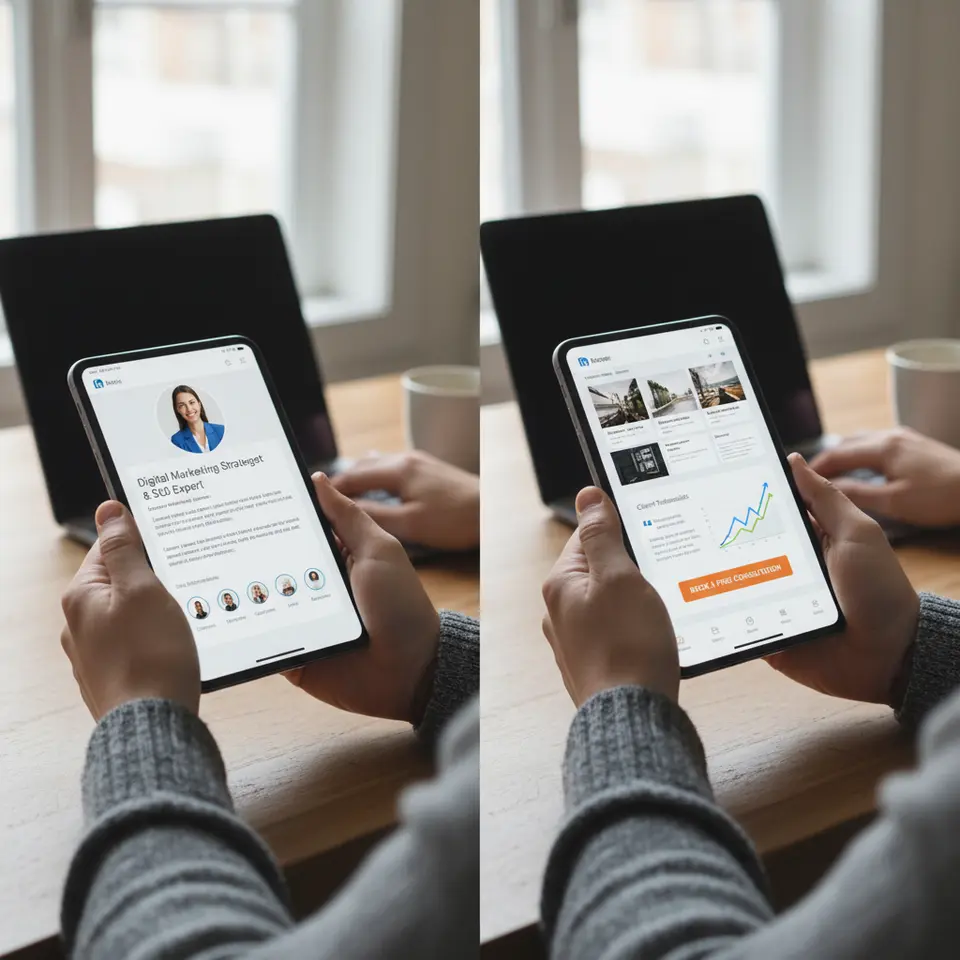
LinkedIn remains the preeminent platform for professional networking and job searches. Start by selecting a professional headshot and crafting a headline that integrates your focus keyword “personal brand” naturally—e.g., “Operations Leader | Agile Specialist | Personal Brand Advocate.” In your summary section, weave your brand message into a storytelling format and include measurable achievements. For example, “Over the past five years, I’ve increased team productivity by 30% using agile frameworks and coached more than 50 professionals on building their personal brand.” Request recommendations and endorsements to reinforce your expertise.
Creating a Personal Website or Portfolio
A dedicated website acts as the central hub for your personal brand. Platforms such as WordPress or Wix allow you to publish case studies, client testimonials, and a blog demonstrating industry insights. Incorporate Google Analytics to monitor visitor behaviour, popular content, and referral sources. Ensure your site features clear navigation, a concise about page, and calls to action—such as scheduling a consultation or subscribing to your newsletter. A well-designed website signals professionalism and commitment to your field.
Creating and Sharing Valuable Content
Blog Posts and Thought Leadership Articles
Regularly publishing articles on your website and on LinkedIn Pulse establishes you as a thought leader. Focus on topics that align with your brand—such as case studies on successful agile transformations or tips for optimizing remote team performance. Cite authoritative sources like Stanford University’s research library to lend credibility. Aim for a mix of evergreen content and timely commentary on industry trends to capture both search traffic and social engagement.
Visual and Multimedia Content
In addition to written pieces, consider creating videos, infographics, and slide decks. Tools like Canva make it easy to design branded graphics, while YouTube and Vimeo offer platforms for hosting video tutorials and keynote highlights. Visual content not only diversifies your output but also increases shareability on social channels. Embed multimedia elements on your website and cross-post highlights on Twitter, Instagram, or relevant industry forums.
Networking and Authentic Engagement
Leveraging Virtual and In-Person Events
Networking events, conferences, and webinars present prime opportunities to showcase your personal brand. Prepare an elevator pitch that summarizes your brand message and be ready with memorable anecdotes that demonstrate your expertise. When attending virtual panels or in-person meetings, engage with speakers and participants by asking thoughtful questions and offering insights. Follow up promptly with personalized messages that reference specific points of discussion—this reinforces your brand attributes and leaves a positive impression.
Monitoring and Iterating Your Strategy
Building a personal brand is an ongoing endeavor. Use tools like Google Alerts to track mentions of your name and brand-related keywords. Conduct quarterly audits of your social profiles and website content—ask peers for feedback on clarity and impact. Analyze performance metrics from LinkedIn analytics and Google Analytics to determine which content resonates most. Based on these insights, refine your messaging, update outdated information, and experiment with new formats or platforms.
Building Credibility Through Social Proof
Social proof plays a major role in strengthening a personal brand because people naturally trust the opinions and experiences of others. Testimonials, endorsements, recommendations, certifications, and public recognition all contribute to perceived authority. Professionals who consistently showcase positive feedback from clients, colleagues, or industry leaders build stronger credibility in today’s competitive digital landscape.
LinkedIn recommendations are especially valuable because they provide authentic validation of your expertise and work ethic. Similarly, featuring client success stories, case studies, and measurable outcomes on your personal website demonstrates real-world impact. Awards, media mentions, podcast appearances, and guest articles can also reinforce trust and position you as a respected authority within your niche.
Social proof becomes even more powerful when it aligns with your core brand message. Instead of displaying generic praise, focus on testimonials that highlight the specific strengths and solutions you want your audience to associate with your personal brand.
Developing a Consistent Visual Identity
A recognizable visual identity helps your personal brand feel professional, memorable, and cohesive across multiple platforms. Consistency in profile photos, color palettes, typography, and graphic styles creates familiarity that improves audience recognition over time. In today’s digital environment, visual branding significantly influences first impressions.
Start by using the same professional headshot across LinkedIn, your website, and other professional platforms. Choose colors and design elements that reflect your personality and industry positioning. For example, minimal and modern designs often communicate professionalism and clarity, while bold visuals may emphasize creativity and innovation.
Templates for presentations, social posts, resumes, and portfolios also help maintain consistency. Tools like Canva and Adobe Express allow professionals to create visually aligned content without advanced design expertise. A cohesive visual style strengthens trust because it signals organization, intentionality, and professionalism.
Using Storytelling to Strengthen Your Personal Brand
Storytelling is one of the most effective ways to make a personal brand feel authentic and relatable. Instead of simply listing skills and accomplishments, strong professionals communicate experiences, challenges, lessons, and growth journeys that emotionally connect with their audience.
People remember stories far more than credentials alone. Sharing how you overcame obstacles, solved difficult problems, or achieved meaningful milestones helps others understand your values and mindset. Story-driven content also humanizes your expertise, making your personal brand feel approachable rather than overly promotional.
For example, instead of saying you are a leadership expert, explain how managing a difficult project taught you critical communication and decision-making skills. Real-world experiences create emotional engagement and build deeper trust with readers, clients, and employers.
Storytelling can also improve content performance across blogs, LinkedIn posts, videos, and presentations because audiences are naturally drawn to narratives that feel personal and genuine.
Avoiding Common Personal Branding Mistakes
While building a personal brand offers major benefits, many professionals weaken their impact through inconsistency and poor positioning. One common mistake is trying to appeal to everyone instead of focusing on a clear audience or niche. A strong personal brand becomes more memorable when it communicates a specific expertise or value.
Another issue is inconsistency across platforms. Different profile photos, conflicting messaging, or outdated information can confuse recruiters and potential clients. Maintaining alignment across LinkedIn, websites, portfolios, and social channels is essential for building credibility.
Overpromotion is another common challenge. Constant self-promotion without providing genuine value can make audiences disengage. The most effective professionals balance visibility with education, insights, and authentic interaction.
Neglecting engagement also limits growth. Building a personal brand is not only about publishing content; it also involves responding to comments, participating in conversations, and supporting others within your industry community. Strong relationships often create more opportunities than visibility alone.
Finally, many professionals fail to adapt their personal brand as their careers evolve. Regularly reviewing your goals, messaging, and audience ensures your brand remains relevant and aligned with your long-term professional direction.
Frequently Asked Questions
1. What is a personal brand?
A personal brand is the professional image and reputation you intentionally create to influence how others perceive you. It combines your expertise, values, personality, achievements, communication style, and online presence into a consistent identity. A strong personal brand helps employers, clients, and peers quickly understand what makes you unique and why they should trust your skills or insights.
2. Why is personal branding important in 2026?
In 2026, recruiters, clients, and collaborators heavily rely on digital platforms to evaluate professionals before making hiring or partnership decisions. A strong personal brand increases visibility, establishes authority, and creates trust. It also differentiates you from competitors in crowded industries, making it easier to attract career opportunities, speaking invitations, freelance projects, leadership roles, and networking connections.
3. How can I identify my unique value proposition?
Start by analyzing your strengths, achievements, passions, and experiences. Identify the problems you solve best and the results you consistently deliver. Then determine what separates you from others in your field. Your unique value proposition should clearly communicate who you help, how you help them, and why your approach is different or more effective than competitors.
4. Which platforms are best for building a personal brand?
LinkedIn remains the most important platform for professional branding because it combines networking, content sharing, and recruiter visibility. A personal website or portfolio is also essential because it acts as your central online hub. Depending on your industry, platforms like Twitter, YouTube, Instagram, Medium, or industry-specific communities can also support your branding strategy effectively.
5. How often should I publish content?
Consistency matters more than frequency. Publishing one or two high-quality articles per month combined with weekly social updates is often enough to maintain visibility and authority. The key is to provide useful, relevant, and authentic insights that align with your expertise and resonate with your target audience. Regular engagement helps strengthen trust and recognition over time.
6. What type of content works best for personal branding?
Educational and value-driven content performs best. This includes industry insights, case studies, tutorials, thought leadership articles, lessons from personal experiences, and commentary on current trends. Visual content such as videos, infographics, presentations, and short-form social posts can also increase engagement and make your personal brand more memorable across multiple platforms.
7. How does networking support personal branding?
Networking helps amplify your visibility and credibility by connecting you with professionals who can share opportunities, recommendations, and collaborations. Authentic engagement at conferences, webinars, online communities, and industry events strengthens your reputation. Building genuine relationships often leads to referrals, partnerships, mentorships, and increased recognition within your field.
8. How can I make my LinkedIn profile stronger?
Use a professional headshot, write a compelling headline, and create a summary that explains your expertise and achievements clearly. Add measurable accomplishments, request recommendations, and keep your experience updated regularly. Sharing valuable content and engaging with others consistently also improves your profile visibility and reinforces your personal brand authority.
9. How long does it take to build a strong personal brand?
Building a credible personal brand is a long-term process that typically takes several months of consistent effort. Most professionals begin noticing increased visibility and engagement within three to six months when they regularly publish content, optimize their profiles, and engage with their industry community. Long-term consistency creates stronger trust and authority.
10. How do I measure the success of my personal brand?
Success can be measured through profile views, website traffic, social engagement, inbound opportunities, networking growth, speaking invitations, client inquiries, and recruiter outreach. Tools like LinkedIn Analytics, Google Analytics, and Google Alerts help track visibility and audience engagement. The ultimate measure is whether your personal brand helps you achieve your professional goals more effectively.
Conclusion
A strong personal brand is more than a nice-to-have—it’s a career catalyst. By defining your unique value proposition, optimizing your online presence, creating valuable content, and engaging authentically, you differentiate yourself in today’s competitive marketplace. Begin by auditing your current profiles, crafting a concise brand statement, and planning a consistent content calendar. With dedication and strategic refinement, your personal brand will not only showcase your expertise but also attract the opportunities and connections that propel your career to new heights.


Comments (1)
Career Opportunities Abroad Guide for Global Jobssays:
August 27, 2026 at 4:32 pm[…] Abroad are not just about getting a job but also about long-term growth. Many professionals build successful careers through Career Opportunities Abroad […]