


Job markets change quickly, and the people who benefit most are usually the ones who notice those changes first. Whether someone is searching for their first role, planning a career shift, or trying to move into a better position, timing matters. That is why the phrase push to card platforms may seem unusual in a careers article, yet it reflects an important modern reality: hiring, onboarding, and payment systems are all becoming faster, more digital, and more connected than before.
For job seekers, this matters because employment is no longer only about finding openings. It is also about understanding how companies operate, how they reward workers, and how quickly they move from hiring to payment. In many industries, push to card platforms are part of that broader transformation, especially where contractors, temporary staff, and gig workers need fast access to earnings. When people understand the system around the job market, they can make better decisions about where to apply and what kind of work environment they want to join.
Why Job Market Awareness Matters
The strongest applicants are not always the most experienced; they are often the most informed. When people follow latest employment opportunities, they learn which industries are expanding, which roles are shrinking, and which skills are becoming more valuable. That awareness changes the way they apply, because they can prioritize roles that match their strengths and avoid wasting time on outdated options. In the middle of this shift, push to card platforms are also influencing how businesses think about speed, especially when they hire short-term workers and want to make sure payments do not slow down the employee experience.
This is why even a job seeker who is not yet employed should pay attention to the full hiring cycle. The same company that posts a role may also use modern tools for payroll, contractor settlement, and incentive payments. If a company values speed in one part of the process, it often values speed in others as well, and push to card platforms can be a sign of that mindset.
Reading Job Updates the Smart Way

Many candidates check job boards daily, but not everyone reads them strategically. Job updates today are not just about seeing a title and clicking apply. They are about understanding the role, the employer, the timeline, the location, and the kind of worker the company actually wants. A thoughtful reader can often tell whether a job is a good fit before applying, which saves time and improves results.
At the same time, employers are changing how they manage workers after hiring. Some temporary roles, internship programs, and freelance contracts now use push to card platforms to move money faster and reduce friction. That shift matters because a candidate who values clear communication and reliable payment may feel more confident applying to businesses that operate this way. In practice, push to card platforms are part of the larger professional experience, not just a payment feature. Learn more about
Where New Openings Are Appearing
The rise of new job vacancies is closely tied to changes in technology, consumer demand, and business expansion. Companies are opening roles in customer support, digital marketing, logistics, data operations, healthcare, fintech, and remote services. These roles often appear first on company websites, then on job portals, then through networking channels. Candidates who move quickly have a better chance of being seen.
That speed matters even more when employers are using push to card platforms for temporary or project-based workers. In industries where staffing needs change rapidly, hiring and paying workers quickly often go together. So while someone may be looking only for the role itself, it is helpful to notice how the company handles the broader work experience. A business that uses modern systems is often better prepared for flexible employment arrangements.
Career News Can Shape Better Decisions
Career opportunities news gives job seekers more than headline information. It shows how employers are thinking, which sectors are growing, and what types of talent are in demand. Someone who reads career news regularly is more likely to make smart moves, like learning a new tool, shifting into a stronger industry, or applying before a wave of competition arrives. That kind of awareness creates long-term career confidence.
It also helps to notice how modern companies connect hiring with operations. For example, push to card platforms are increasingly relevant in sectors that rely on contractors, field teams, and short-cycle work. If a company is building systems that make payments more efficient, it may also be building systems that make hiring more organized. That can matter to candidates who want a workplace that respects time and reduces unnecessary friction.
Government Roles and Stability
Many people track government job updates because they offer predictability, benefits, and long-term stability. These roles often attract applicants who want structure and a clear path forward. Because government hiring can involve exams, notifications, interviews, and document verification, candidates need patience and consistency. Staying organized gives applicants a better chance of handling each stage properly.
Even here, the broader employment environment matters. While government organizations may not always use push to card platforms in the same way private companies do, the rise of faster financial systems influences expectations everywhere. Job seekers increasingly expect quick communication, transparent timelines, and efficient processing. That expectation shapes how people evaluate employers, including public sector institutions.
Private Sector Hiring Moves Faster
Private sector job openings can move quickly because companies are often responding to business demand, client work, or market expansion. This is why candidates who wait too long may miss an opportunity entirely. Private employers tend to value adaptability, communication, and the ability to learn fast. They also often use digital systems for onboarding, attendance, and pay.
In many of these workplaces, push to card platforms support contractor or incentive payments, particularly in companies that hire freelancers, gig staff, or short-term specialists. That matters because speed in hiring often goes hand in hand with speed in payment and communication. Candidates who understand that environment can prepare better and choose companies whose working style matches their own preferences.
Staying Connected to Alerts
Daily job alerts online are useful because they reduce the risk of missing a deadline. A role that appears in the morning may be closed by the evening, especially in popular fields. Alerts help candidates act faster, and that faster action often increases the chances of being shortlisted. Over time, this habit becomes one of the simplest ways to improve job search results.
Alerts are also useful because they give candidates a pattern to follow. People start noticing the kinds of roles they see repeatedly, and that helps them refine their search strategy. In modern organizations where push to card platforms are part of the operational structure, speed is a recurring theme. The same urgency that shapes payment systems often shapes hiring windows, so alerts become even more valuable.
Recruitment Is Becoming More Dynamic
Fresh recruitment updates are important because they show where companies are actively investing. A business that opens multiple roles at once is usually expanding, reorganizing, or preparing for a new cycle of demand. Candidates who follow these updates can spot growth areas early and focus on positions that match the direction of the market. That gives them a strategic advantage over applicants who search randomly.
This is also where the connection to push to card platforms becomes more visible. In a more dynamic hiring environment, companies often want faster coordination across teams. They may recruit quickly, onboard quickly, and pay quickly. That operational style matters to job seekers because it often signals a company that values efficiency and modern workflows.
Finding the Right Opportunity
Knowing how to find job opportunities is not just about browsing listings. It is about using the right sources, checking company credibility, studying role requirements, and matching your application to the job. The strongest candidates usually combine job boards, networking, referrals, and direct company research. That creates a fuller picture and helps them avoid weak or misleading listings.
It also helps to think about the workplace behind the listing. A business that uses push to card platforms may be operating with a stronger digital infrastructure than one that still depends on outdated manual workflows. That does not guarantee a better job, but it can indicate that the company is modernizing its processes. For many applicants, that is a useful signal when comparing options.
Notifications and Information Discipline
Employment news and notifications are only useful if people actually read and act on them. Too often, candidates save information for later and then forget the deadline. Building a simple routine can solve this problem. Checking updates at the same time each day, keeping a shortlist of target roles, and tracking deadlines in one place can make the whole process more manageable.
This kind of discipline matters in every part of the modern employment ecosystem. The same businesses that use push to card platforms for faster financial delivery often expect disciplined, responsive workers. That makes sense, because organizations that move quickly want employees and applicants who can also move with clarity and focus. The more organized the candidate, the stronger the application process becomes.
Better Searching Means Better Outcomes
Job search tips and updates help candidates avoid random application habits and focus on more effective behavior. A good resume, a tailored cover letter, and thoughtful interview preparation often do more than dozens of rushed applications. Search quality usually matters more than search volume. When candidates understand that, they begin applying with intention instead of panic.
This is especially useful in competitive markets where companies may also use push to card platforms to manage flexible staffing or short-term labor. In those environments, employers often look for people who can adapt quickly and communicate clearly. A well-planned search strategy helps a candidate present those qualities before the interview even begins.
What Hiring Looks Like Now
Latest hiring trends show a market shaped by flexibility, digital tools, and skills-based evaluation. Employers are placing more weight on communication, problem-solving, tool familiarity, and the ability to work across digital systems. Remote and hybrid roles continue to influence expectations, and many companies now prefer candidates who can work independently and learn quickly.
The rise of push to card platforms fits into this broader picture. Businesses that adopt faster systems often want the rest of their workflow to match. That includes hiring, onboarding, and payment delivery. Candidates who notice these patterns can better understand which companies are serious about modern operations and which ones still rely on slower, more outdated habits.
A Practical View of the Employment Landscape
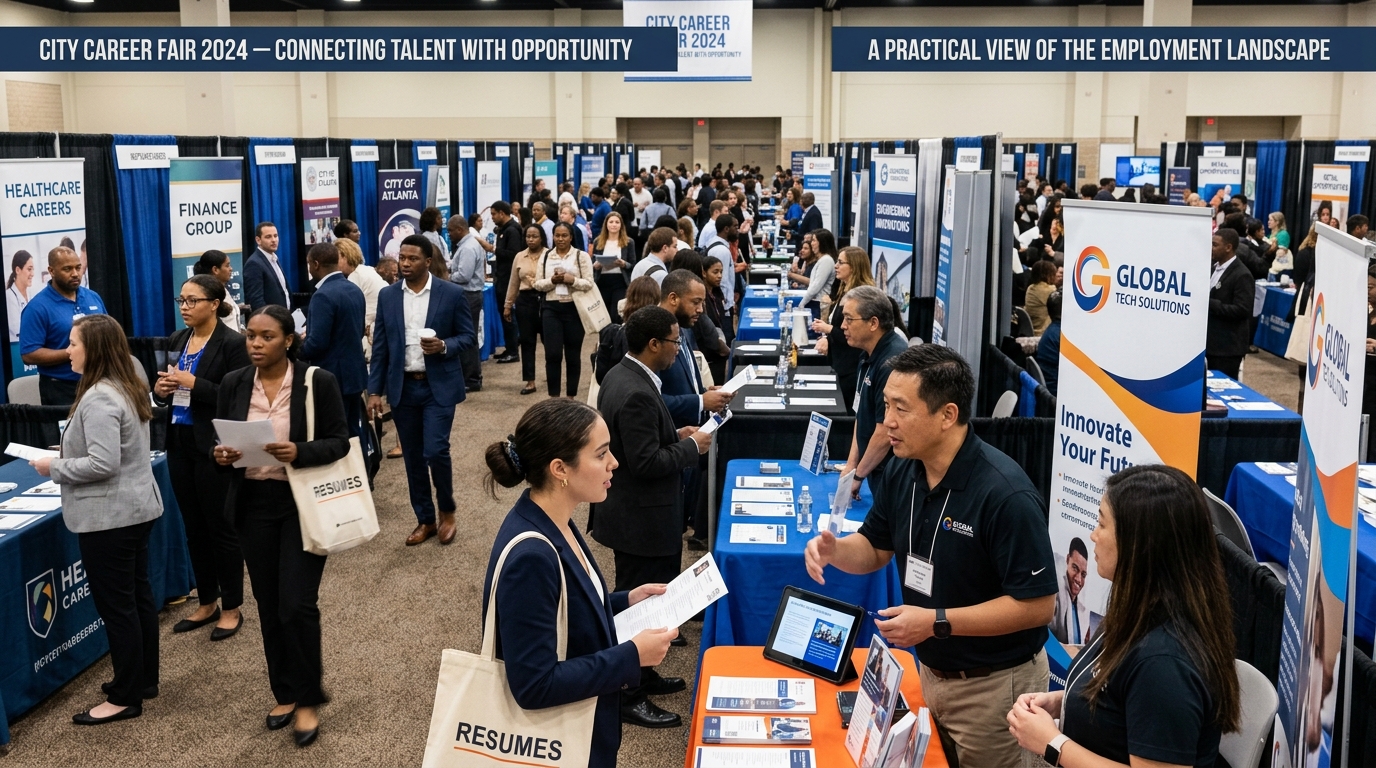
The current job market rewards consistency, awareness, and patience. Candidates who keep learning, monitoring, and applying are usually the ones who build real momentum. It is not enough to wait for the perfect role to appear; it is better to stay active, informed, and ready. As industries continue to evolve, the tools and expectations around employment will keep changing too.
That is where push to card platforms become a useful metaphor for the modern market: speed, clarity, and convenience are no longer optional extras. Whether it is hiring, payment, or communication, people now expect better experiences. The job seeker who understands that shift is more likely to recognize strong employers and stronger opportunities.
Conclusion
Success in today’s job market is not based on chance alone. It comes from understanding market trends, staying updated regularly, and responding with confidence when opportunities appear. Those who actively track openings, evaluate roles carefully, and stay aware of industry shifts often progress faster in their careers.
At the same time, modern workplace systems increasingly prioritize speed and simplicity. From recruitment processes to payment solutions, push-to-card platforms highlight a growing focus on efficiency and convenience in professional environments. For job seekers, this means every alert, update, and opportunity should be viewed as part of a broader career strategy. Staying informed is no longer optional—it is a key advantage in building long-term career success.
FAQs
What is the best way to follow latest employment opportunities?
The best approach is to combine job portals, company websites, alerts, and networking so you can spot roles quickly and apply early.
Why are job updates today important for candidates?
They help applicants move before deadlines pass and avoid missing newly posted roles that may close fast.
How can new job vacancies be tracked effectively?
Use trusted sources, set filters by location and role, and review updates on a consistent daily schedule.
What makes career opportunities news useful?
It helps job seekers understand where hiring is growing, what skills are in demand, and how industries are changing.
Are government job updates different from private hiring?
Yes. Government hiring is usually more structured and deadline-driven, while private hiring is often faster and more flexible.
Why do private sector job openings move quickly?
Private companies often hire based on immediate business needs, client projects, or expansion plans.
What are daily job alerts online good for?
They save time by bringing new roles directly to you instead of making you search manually all day.
How do fresh recruitment updates help with planning?
They show which companies are actively hiring and help candidates prepare stronger, more targeted applications.
What should I know about how to find job opportunities?
Focus on relevant sources, tailor your applications, and keep track of deadlines and employer credibility.
Why are latest hiring trends important to follow?
They show what employers value now, which helps candidates prepare skills and applications that match the current market.


Leave a Reply