


Mentorship and microlearning are essential tools for modern career growth. Mentorship provides guidance, networking, and real-world insights, while microlearning offers flexible, bite-sized skill development. Together, they help professionals stay competitive, improve productivity, and achieve long-term success through continuous learning, adaptability, and strategic career planning.
In today’s fiercely competitive job market, professionals are seeking new ways to gain an edge and ensure sustainable growth. The convergence of evolving workplace models, rapid technological advancements, and shifting industry demands requires an agile approach to career development. Two strategies have emerged as foundational pillars for success: mentorship & microlearning. Both methods complement each other by combining personalized insights with flexible learning formats that fit into even the busiest schedules.
Whether you are transitioning into a new field, aiming for a leadership role, or simply expanding your expertise, integrating mentorship and microlearning can accelerate your progress. This guide delves into the mechanics of each approach, explores how they reinforce one another, and provides actionable steps to craft a tailored plan for your professional journey.
Understanding Mentorship
Mentorship is a structured partnership in which an experienced professional shares knowledge, industry insights, and constructive feedback to guide a mentee’s development. It can be formal—through company programs or professional associations—or informal, such as peer mentorship circles. Effective mentorship fosters trust, clarity on career objectives, and accountability for progress.
Research shows that employees who engage in mentorship report higher job satisfaction, faster skill acquisition, and stronger professional networks. The mentor’s role extends beyond technical advice; it includes sharing personal experiences, navigating organizational culture, and providing emotional support during challenging transitions.
-
- Technical guidance and domain-specific expertise
- Career mapping and goal alignment
- Feedback on performance, communication, and leadership skills
- Networking introductions and referrals
By choosing a mentor whose career path aligns with your aspirations, you benefit from targeted advice and insider knowledge that textbooks and online courses cannot replicate.
Demystifying Microlearning
Microlearning breaks down complex topics into concise, focused segments that require minimal time investment—often 5 to 15 minutes per session. Formats include short videos, interactive quizzes, flashcards, and infographics. This approach caters to modern attention spans and promotes spaced repetition, improving retention and recall.
Unlike traditional workshops or multi-hour webinars, microlearning allows you to integrate learning seamlessly into daily routines—during commutes, coffee breaks, or between meetings. It adapts to evolving skill requirements, ensuring you stay current without downtime from your core responsibilities.
-
- Video micro-lectures on emerging tools and techniques
- Interactive case studies and scenario simulations
- Mobile-optimized lessons for on-the-go access
- Adaptive assessments that focus on knowledge gaps
Leading platforms like LinkedIn Learning, Coursera’s microcredentials, and mobile apps such as Blinkist offer curated microlearning tracks tailored to in-demand competencies.
Synergy Between Mentorship & Microlearning
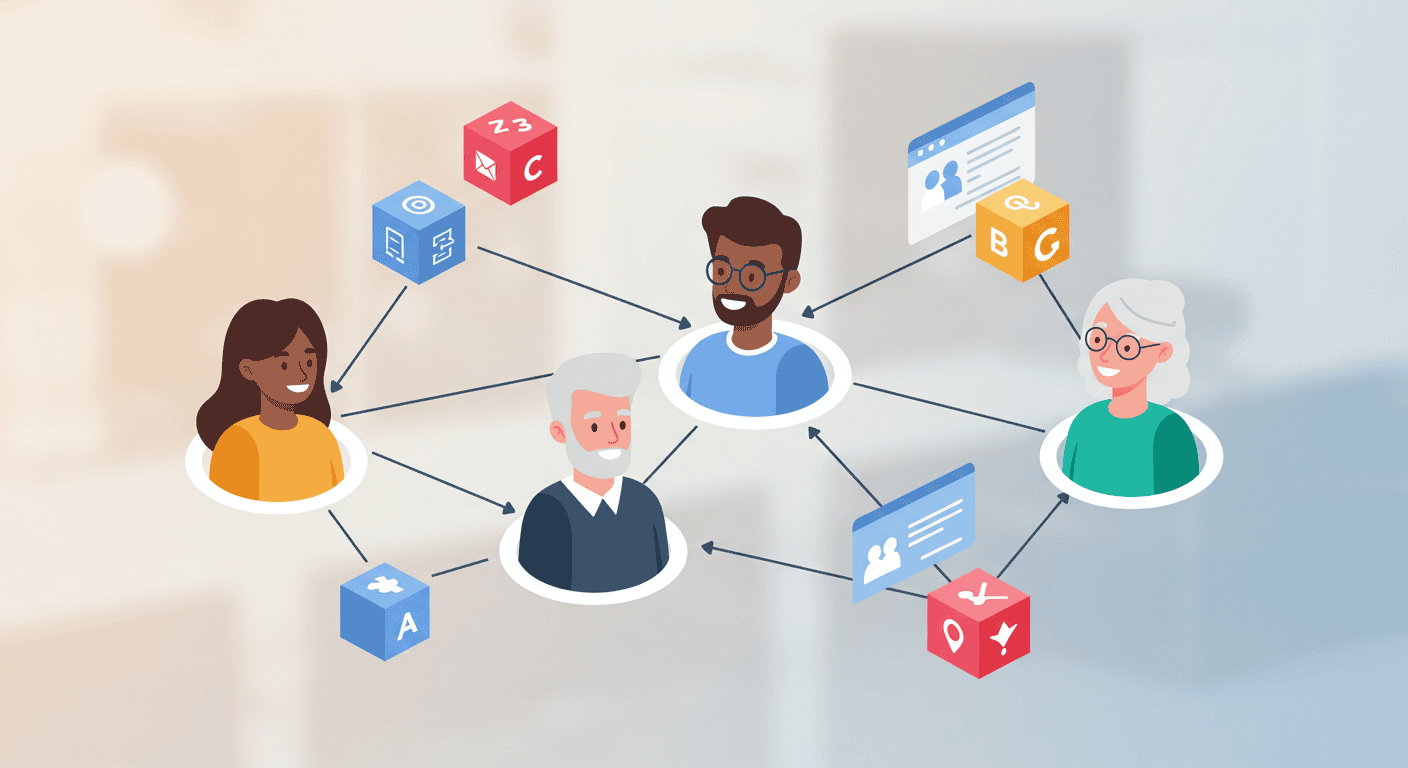
When combined, mentorship and microlearning create a multiplier effect. A mentor can recommend specific micro-courses that address your personal development areas, while microlearning modules keep your skills sharp between mentorship sessions. This cyclical feedback loop accelerates learning and ensures the practical application of new knowledge.
For example, after a mentor coaching session on public speaking techniques, you might follow up with a 10-minute video on persuasive storytelling. In the next meeting, you discuss challenges, receive further pointers, and move on to advanced micro-modules—streamlining the journey from theory to mastery.
Strategies for Leveraging Mentorship
To capitalize on mentorship, approach it methodically. First, identify professionals whose achievements align with your goals—whether within your organization, industry networks, or online communities. Use platforms like MentorCruise, SCORE, or company mentorship initiatives to find suitable matches.
Once a mentor is on board, set clear expectations. Co-create an agenda with milestones, preferred communication channels, and meeting frequency. A structured plan reduces ambiguity and maximizes the value of each interaction.
-
- Draft specific development goals and share them in writing
- Prepare discussion points and progress reports in advance
- Solicit actionable feedback on current projects
- Request introductions to their professional network
- Offer your own skills or volunteer help to maintain reciprocity
Document insights, follow up on advice, and celebrate small wins to demonstrate growth and keep momentum high.
Implementing Microlearning in Your Daily Routine
Integrating microlearning effectively demands discipline and planning. Begin by auditing your weekday schedule to identify consistent 5 to 10-minute windows—during coffee breaks, walking between meetings, or at the end of the workday. Treat these slots as non-negotiable learning appointments.
Next, choose a blend of formats that suit your learning style: short videos for visual learners, quizzes for those who benefit from testing, and infographics or cheat sheets for quick reference. Bookmark or subscribe to channels that deliver fresh, relevant content weekly.
-
- Schedule daily reminders on your calendar
- Use a learning-tracker app or spreadsheet to log completed modules
- Form microlearning study pods with colleagues for accountability
- Set monthly themes—such as data analytics or leadership—to focus your learning path
- Incorporate reflection prompts to solidify takeaways
By weaving microlearning into your routine, you build a habit that scales learning without sacrificing productivity.
Common Pitfalls to Avoid
Even the best strategies can falter if misapplied. Avoid these mistakes to keep your dual approach on track:
-
- Neglecting to align microlearning with long-term goals
- Choosing a mentor who lacks industry relevance or engagement time
- Overloading on content without practical application
- Skipping regular check-ins to review progress and adjust plans
- Failing to document insights, leading to repeated mistakes
- Relying solely on free content without vetting quality
Staying vigilant against these pitfalls ensures sustained momentum and meaningful skill gains.
Measuring Success and Iteration
Establishing clear metrics is essential to evaluate the effectiveness of your mentorship and microlearning efforts. Start by identifying key performance indicators (KPIs) that map directly to your career objectives.
Consider using tools like Trello or Notion to track module completion, project milestones, and mentor feedback in one centralized dashboard. Review this data monthly to assess progress and make data-driven adjustments.
-
- Percentage of microlearning modules completed vs. planned
- Quality scores from mentor feedback sessions
- Number of new skills applied in live projects
- Advancements in role, title, or compensation linked to new competencies
Iterate on your plan based on trends: accelerate areas showing high ROI and revisit approaches that underperform.
Case Study: A Real Career Transformation
Meet Daniel, a software engineer aiming to transition into a product management role. He partnered with a senior PM mentor who guided him through stakeholder management and roadmap planning. Simultaneously, Daniel completed daily microlearning modules on agile methodologies, UX fundamentals, and data analytics via a mobile platform.
Within four months, Daniel led his first cross-functional sprint planning session, secured positive feedback from his mentor, and achieved a 25% improvement in sprint delivery velocity. His combined approach not only expanded his skill set but also bolstered his credibility for a formal PM promotion.
Creating Your Action Plan
Use this framework to design a personalized roadmap that harmonizes mentorship and microlearning:
1. Define your 6- and 12-month career objectives. 2. Research and shortlist potential mentors aligned with those objectives. 3. Audit your current skill gaps and select microlearning tracks to address each. 4. Schedule recurring mentorship sessions and daily microlearning slots. 5. Set milestones for feedback, project application, and measurable KPIs.
-
- Draft a written commitment outlining goals, timelines, and success metrics
- Use calendar invites to book mentorship and learning sessions in advance
- Leverage collaboration tools to share progress with mentors
- Join communities or alumni networks for peer accountability
- Conduct quarterly reviews to refine your plan
By following a structured action plan, you maintain momentum and adaptability as your career evolves.
The Importance of Continuous Learning in Modern Careers
In today’s fast-changing job market, continuous learning is no longer optional—it is essential. Industries evolve rapidly, and professionals must constantly update their skills to remain relevant. Mentorship provides direction on what to learn, while microlearning ensures consistent progress in small, manageable steps. Together, they create a sustainable learning habit that adapts to career shifts. Professionals who embrace lifelong learning are better equipped to handle new challenges, adopt emerging technologies, and stay competitive in their respective fields. Continuous improvement ultimately leads to greater confidence, adaptability, and long-term career stability.
Developing a Growth Mindset Through Mentorship
A growth mindset is crucial for career advancement, and mentorship plays a key role in fostering it. Mentors encourage mentees to view challenges as opportunities rather than obstacles. Through constructive feedback and shared experiences, mentees learn to embrace failure as part of the learning process. This mindset shift boosts resilience, motivation, and problem-solving abilities. Over time, professionals become more open to learning new skills and taking calculated risks. Mentorship helps reinforce the belief that abilities can be developed through effort and persistence, which is essential for long-term success.
Microlearning for Skill Specialization
Microlearning is particularly effective for developing specialized skills in a short time. Instead of committing to lengthy courses, professionals can focus on targeted lessons that address specific gaps. For example, a marketer can quickly learn SEO basics, while a developer can explore a new programming tool. This focused approach allows for faster skill acquisition and immediate application in real-world scenarios. Over time, these small learning sessions compound into significant expertise. Microlearning enables professionals to stay updated with niche trends without overwhelming their schedules or disrupting productivity.
Enhancing Productivity Through Structured Learning
Structured learning through mentorship and microlearning improves productivity by eliminating guesswork. Mentors help prioritize skills that matter most, while microlearning delivers knowledge in digestible formats. This prevents information overload and ensures efficient use of time. Professionals can focus on high-impact learning activities that align with their goals. Additionally, structured learning reduces distractions and increases focus, making it easier to integrate development into daily routines. As a result, individuals achieve more in less time while maintaining a balance between work responsibilities and personal growth.
Networking Benefits of Mentorship Programs
Mentorship programs provide valuable networking opportunities that extend beyond one-on-one guidance. Mentors often introduce mentees to industry professionals, opening doors to collaborations, job opportunities, and partnerships. These connections can significantly accelerate career growth. Networking through mentorship also helps build credibility and visibility within a professional community. Over time, mentees become part of a broader network that supports their development. This access to experienced professionals and diverse perspectives enhances learning and creates opportunities that might not be available through traditional career paths.
Adapting to Remote Work with Microlearning

The rise of remote work has changed how professionals learn and grow. Microlearning is perfectly suited for remote environments, offering flexibility and accessibility. Professionals can learn from anywhere using mobile devices, making it easier to balance work and development. Short learning sessions fit seamlessly into remote work schedules, ensuring continuous progress. Additionally, microlearning platforms often include interactive elements that keep learners engaged. This adaptability makes microlearning a powerful tool for professionals navigating remote or hybrid work environments while maintaining skill development.
Long-Term Career Impact of Mentorship & Microlearning
The combined impact of mentorship and microlearning extends far beyond short-term skill gains. Over time, professionals develop a strong foundation of knowledge, adaptability, and strategic thinking. Mentorship provides long-term guidance, while microlearning ensures continuous improvement. This combination leads to better career decisions, stronger leadership abilities, and increased earning potential. Professionals who invest in both approaches are more likely to achieve sustained success and remain relevant in a competitive job market. Ultimately, this strategy creates a proactive approach to career development rather than a reactive one.
Conclusion
In a rapidly evolving professional landscape, reliance on static development methods can leave you behind. Mentorship provides the human insight and strategic guidance you need, while microlearning delivers efficient, just-in-time skill acquisition. Together, they form a dynamic duo that helps you learn faster, apply skills sooner, and achieve tangible career milestones in 2024.
Embrace this two-pronged approach today: seek out a mentor who resonates with your vision, commit to daily microlearning habits, and track your progress diligently. With dedication and the right support, you can transform your career trajectory and unlock new opportunities for growth and success.
FAQ
1. What is mentorship in career development?
Mentorship is a professional relationship where an experienced individual guides a less experienced person by sharing knowledge, advice, and feedback to support growth and career advancement.
2. What is microlearning?
Microlearning is a method of learning through short, focused lessons designed to teach specific skills quickly and efficiently, often in 5–15 minute sessions.
3. Why are mentorship and microlearning important together?
They complement each other by combining expert guidance with flexible learning, helping professionals gain practical knowledge and apply it effectively.
4. How can I find a mentor?
You can find mentors through professional networks, LinkedIn, company programs, industry events, or dedicated mentorship platforms.
5. How often should I engage in microlearning?
Daily or several times a week for 10–15 minutes is enough to build consistent learning habits and long-term skill development.
6. What skills can microlearning help develop?
Microlearning can help develop technical, soft, and leadership skills such as communication, data analysis, management, and problem-solving.
7. What are the benefits of mentorship?
Mentorship offers guidance, networking opportunities, faster learning, career clarity, and support during professional challenges.
8. Can beginners benefit from mentorship?
Yes, beginners benefit greatly as mentors provide direction, reduce mistakes, and help build confidence early in their careers.
9. What are common mistakes in using microlearning?
Common mistakes include inconsistency, lack of clear goals, consuming too much content without practice, and not tracking progress.
10. Is mentorship necessary for career success?
While not mandatory, mentorship significantly accelerates growth by providing insights, accountability, and access to valuable opportunities.


Leave a Reply