


Mastering job interview techniques is the single most reliable way to move from candidate to hire. This guide covers preparation, communication, strategy, and follow-up—everything you need to walk into any interview with confidence.
Landing a job offer has never been purely about qualifications. Two candidates with identical resumes can walk into the same interview and walk out with very different outcomes. The difference, almost always, comes down to how well they perform in the room.
Job interview techniques are the strategies, habits, and communication skills that determine how you present yourself under pressure. They shape whether an interviewer sees you as competent and confident—or unprepared and forgettable. And the good news is that every single one of them can be learned.
This guide is built around one goal: giving you a complete, practical framework for interview success. Whether you’re preparing for your first professional role or gunning for a senior position, you’ll find specific, actionable advice here—covering everything from pre-interview research to post-interview follow-up.
By the time you finish reading, you’ll understand not just what to do, but why each technique works, and how to apply it to your specific situation.
What Are Job Interview Techniques and Why Do They Matter?
Job interview techniques are the deliberate methods candidates use to communicate their value, manage their nerves, and connect with interviewers. They go far beyond rehearsing answers to common questions. Effective job interview techniques include how you research a company, structure your responses, use body language, and even how you dress.
Research consistently shows that hiring decisions are made quickly—sometimes within the first few minutes of an interview. According to a study published in Journal of Occupational and Organizational Psychology, interviewers often form strong impressions before candidates have finished introducing themselves. This makes your opening moments incredibly high-stakes.
Understanding and practicing job interview techniques gives you control over those early impressions. It also gives you a structured approach to the parts of an interview that feel most unpredictable—like curveball questions or panel formats.
The payoff is real. Candidates who prepare deliberately and apply proven job interview techniques are significantly more likely to receive offers. Not because they fake their way through interviews, but because they communicate their real strengths clearly and confidently.
How to Prepare for a Job Interview Step by Step
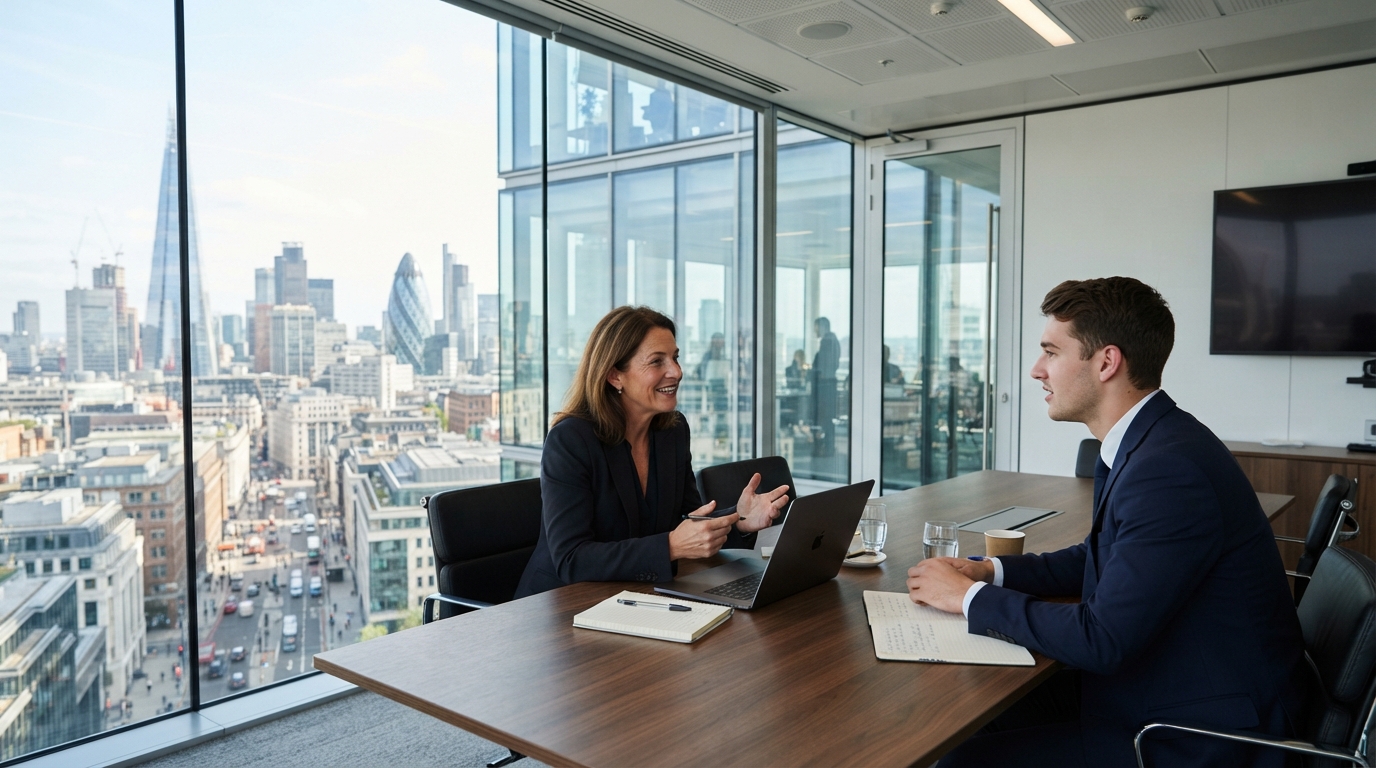
Preparation is the foundation of every effective job interview technique. The more thoroughly you prepare, the more naturally you’ll perform. Here’s how to structure your preparation in the days leading up to your interview.
Research the Company and Role Thoroughly
Start by building a deep understanding of the organization you’re interviewing with. Visit their website, read their mission statement, and look at their most recent news and announcements. Check their LinkedIn page and look at the profiles of people who hold similar roles to the one you’re applying for.
Understanding the company’s culture, recent challenges, and strategic priorities allows you to tailor your answers in ways that resonate with the interviewer. When you demonstrate company knowledge, you signal genuine interest—and that matters more than most candidates realize.
Beyond the company, study the specific job description. Identify the skills and qualities they’ve listed as essential, and prepare specific examples that demonstrate you have each of them. This kind of targeted preparation is one of the most effective job interview techniques available, and it requires nothing more than focused attention and time.
Understand the Job Description Inside Out
A job description is a map. It tells you exactly what the employer wants, which means it tells you exactly what your interview answers should demonstrate.
Go through the job description line by line. Highlight every responsibility and every required skill. Then, for each one, think of a specific example from your own experience that proves you can deliver. This exercise is the backbone of several high-impact job interview techniques—particularly behavioral interviewing methods.
Pay attention to the language the company uses. If they describe themselves as “fast-paced” and “collaborative,” mirror that language in your responses. If they emphasize data-driven decision-making, be ready to quantify your achievements.
Prepare Your Stories Using the STAR Method
The STAR method is one of the most widely recommended job interview techniques for answering behavioral questions. STAR stands for:
- Situation: Set the context
- Task: Describe your responsibility
- Action: Explain exactly what you did
- Result: Share the measurable outcome
Behavioral questions—”Tell me about a time when you…”—are designed to predict future performance based on past behavior. Interviewers use them because they’re more reliable than hypothetical questions. The STAR method gives your answers a clear, logical structure that’s easy for interviewers to follow and evaluate.
Prepare five to eight STAR stories before any interview. Choose examples that are versatile enough to adapt to different questions—situations that demonstrate leadership, problem-solving, collaboration, resilience, and results.
Best Job Interview Techniques to Use During the Interview
Once you’re in the room, your preparation begins to pay off. But preparation alone isn’t enough. How you show up in the moment—how you listen, respond, and engage—determines whether you leave a lasting impression.
Here are the best job interview techniques to apply during the interview itself.
Make a Strong First Impression
The moment you walk in, you’re being evaluated. Greet your interviewer by name, offer a firm handshake, make eye contact, and smile. These seem like small details, but they communicate confidence and professionalism immediately.
Arrive ten to fifteen minutes early. This gives you time to compose yourself, observe the office environment, and avoid the stress of rushing. Being late—even by a minute—creates an impression that’s very hard to recover from.
Dress appropriately for the company culture. When in doubt, err toward formal. It’s easier to recover from being overdressed than underdressed.
How to Answer Behavioral Interview Questions
Behavioral questions are where many candidates lose ground. They either give vague, general answers (“I’m a good team player”) or they ramble without landing on a clear result. Both leave interviewers unconvinced.
Using the STAR method, keep your answers concise—two to three minutes is usually ideal. Lead with the result when possible, especially if it’s impressive. For example: “I reduced customer complaints by 40% in three months. Here’s how I did it…” This structure immediately captures attention and gives your answer a compelling frame.
One of the core job interview techniques that separates strong candidates from weak ones is specificity. Exact numbers, timeframes, and named outcomes are far more persuasive than broad claims.
How to Handle Tough or Unexpected Questions
Every interview includes at least one question that catches you off guard. It might be a brainteaser, a question about a weakness, or something unexpectedly personal.
The key job interview technique for handling tough questions is to pause before you respond. A two-second pause signals thoughtfulness, not confusion. It gives your brain a moment to organize an answer rather than blurting out the first thing that comes to mind.
For weakness questions, be honest but strategic. Choose a genuine weakness, then explain specifically what you’re doing to address it. This demonstrates self-awareness and a growth mindset—both qualities that employers value highly.
For brainteasers or case questions, think out loud. Interviewers often care more about your reasoning process than your final answer. Narrating your thinking shows analytical ability and composure under pressure.
Asking Smart Questions to Impress Employers
The questions you ask at the end of an interview reveal as much about you as your answers do. Many candidates treat this section as an afterthought, but it’s actually one of the highest-leverage moments in the entire conversation.
Prepare four to five thoughtful questions in advance. Ask about the team’s biggest current challenges, the metrics used to evaluate success in the role, or what the career path looks like for someone in this position. These questions signal genuine interest and strategic thinking.
Avoid asking about salary, vacation time, or remote work policies at this stage—save those conversations for after you’ve received an offer. Learning how to prepare for a job interview means knowing not just what to say, but what to hold back.
Verbal and Non-Verbal Communication Techniques
Body Language That Signals Confidence
Nonverbal communication is one of the most underrated techniques in job interviews. Research by Dr Albert Mehrabian suggests that a significant portion of communication is nonverbal, meaning your posture, eye contact, and gestures constantly send signals—whether you intend them to or not.
Sit upright with your feet flat on the floor. Lean slightly forward to signal engagement. Make consistent (but not unblinking) eye contact, especially when making important points. Avoid crossing your arms, fidgeting with objects, or looking at your phone.
Mirroring—subtly matching the body language of your interviewer—is another technique used naturally in good conversations. It builds rapport without either party being consciously aware of it.
Tone, Pace, and Word Choice
Speak clearly, at a measured pace. Nervousness often causes people to speak too quickly, which can make them seem rushed or anxious. Slow down deliberately when making key points.
Use precise, active language. Instead of saying “I was involved in the project,” say “I led the project.” Instead of “I helped improve sales,” say “I drove a 25% increase in quarterly sales.” Strong, specific language reinforces your credibility.
Avoid filler words—”um,” “like,” “you know”—as much as possible. They can undermine an otherwise confident delivery. Practice eliminating them during your mock interviews.
How to Improve Job Interview Skills Over Time
Job interviews are a skill, not a talent. Like any skill, they improve with deliberate practice. Here are the most effective methods for building your interview ability over time.
Practice with Mock Interviews
Mock interviews are one of the best job interview techniques for building real-world confidence. Ask a friend, mentor, or career coach to conduct a realistic interview with you. Give them a list of common interview questions and ask for honest, detailed feedback afterward.
The closer the mock interview mirrors reality—proper attire, a formal setting, recording the session—the more you’ll benefit from it. Repetition reduces anxiety and makes your responses feel natural rather than rehearsed.
Record and Review Your Responses
Record yourself answering interview questions on video. This is uncomfortable for most people, but it’s one of the most revealing job interview techniques you can use. Watching yourself back allows you to identify issues with body language, filler words, pacing, and response structure that you’d never notice in the moment.
Review the recording critically. Take notes. Then practice again with those notes in mind. Even two or three rounds of this exercise can produce dramatic improvements.
Effective Interview Strategies for Different Interview Formats
Not all interviews follow the same format. Applying job interview techniques effectively means adapting your approach to the specific type of interview you’re facing.
Phone and Video Interviews
Phone and video interviews are increasingly common—and they require a slightly different approach. Without the full benefit of body language, your voice, word choice, and tone carry more weight.
For video interviews, ensure your background is clean and professional, your camera is at eye level, and your lighting is adequate. Look directly at the camera when speaking, not at your own image on the screen. These practical adjustments make a significant difference in how you come across.
For phone interviews, stand up if possible. Research suggests that standing opens your diaphragm and projects a more confident, energetic tone. Have your notes visible so you can reference them without fumbling.
Panel Interviews
Panel interviews—where you’re interviewed by multiple people simultaneously—can feel intimidating. One of the most effective job interview techniques for panel settings is to make eye contact with the person asking the question, then gradually expand your gaze to include the full panel as you complete your answer.
Address each panel member by name when possible. This personalizes your responses and signals that you’re engaged with the group, not just the most senior person in the room.
Technical and Case Interviews
Technical and case interviews require subject-specific preparation. For technical roles, review the core concepts and tools listed in the job description. For case interviews—common in consulting and finance—practice structured problem-solving using real case frameworks like market sizing, profitability analysis, or root cause analysis.
In both formats, the underlying job interview techniques remain the same: think clearly, communicate your reasoning, ask clarifying questions, and stay composed under pressure.
What to Do After the Interview
Sending a Thank-You Email
Within 24 hours of your interview, send a personalized thank-you email to each person who interviewed you. Reference something specific from your conversation—a challenge they mentioned, a shared perspective, or a question they asked. This demonstrates attentiveness and reinforces your interest in the role.
Keep the email brief: three to four sentences is enough. The goal is to stay memorable, not to relitigate your entire interview.
Following Up on Your Application
If you haven’t heard back within the timeline the interviewer indicated, it’s appropriate to follow up once with a polite, professional email. Reiterate your enthusiasm for the role and ask for an update on the timeline.
This kind of proactive follow-up is one of the often-overlooked job interview techniques that distinguishes engaged candidates from passive ones. Just be mindful not to follow up more than once—persistence crosses into pressure very quickly.
Common Interview Mistakes to Avoid
Understanding the best job interview techniques is only half the equation. Knowing what not to do is equally important. The table below outlines the most common mistakes candidates make—and how to avoid them.
|
Mistake |
Why It Hurts You |
What to Do Instead |
|---|---|---|
|
Arriving late |
Creates a negative first impression immediately |
Arrive 10–15 minutes early |
|
Giving vague answers |
Fails to demonstrate real capability |
Use the STAR method with specific examples |
|
Not researching the company |
Signals low interest and effort |
Spend 1–2 hours researching before the interview |
|
Speaking negatively about past employers |
Raises red flags about professionalism |
Reframe challenges as learning experiences |
|
Not asking any questions |
Implies disinterest in the role |
Prepare 4–5 thoughtful questions in advance |
|
Failing to quantify achievements |
Makes accomplishments sound generic |
Use numbers, percentages, and timeframes |
|
Over-rehearsed, robotic answers |
Feels inauthentic to interviewers |
Practice for fluency, not memorization |
|
Checking your phone |
Signals disrespect and distraction |
Turn your phone off completely before entering |
|
Dressing inappropriately |
Undermines your professional image |
Research the company culture and dress accordingly |
|
Forgetting to follow up |
Misses a key opportunity to reinforce interest |
Send a thank-you email within 24 hours |
Avoiding these pitfalls is just as important as applying the right job interview techniques. Many candidates lose opportunities not because they gave bad answers, but because they made one of these avoidable errors.
The Role of Mindset in Interview Performance
One dimension of job interview techniques that often gets overlooked is mindset. How you think about an interview directly affects how you perform in one.
Most candidates approach interviews as evaluations—situations where someone else has all the power and they must prove their worth. This mindset creates anxiety and leads to passive, approval-seeking behaviour. A more effective reframe is to treat the interview as a two-way conversation. You are also evaluating whether this role and organization are the right fit for you.
This shift in perspective changes everything. It makes you more relaxed, more direct, and more engaging. It signals confidence without arrogance. And it often leads to better answers, because you’re focused on honest communication rather than performing.
Psychological research on “power posing” and self-affirmation suggests that brief pre-interview rituals—spending two minutes reviewing your proudest achievements, for example—can measurably reduce cortisol levels and increase confidence. These kinds of mindset techniques are simple to apply and can make a noticeable difference in how you show up.
Interview Techniques Across Different Career Stages
The most effective job interview techniques look slightly different depending on where you are in your career. What works for an entry-level candidate doesn’t always translate to a senior executive, and vice versa.
Entry-Level Candidates
For early-career candidates, the focus should be on demonstrating potential, attitude, and learning agility. Employers hiring at this level know you don’t have decades of experience. They’re looking for enthusiasm, adaptability, and evidence that you’ll develop quickly.
Lean on academic projects, internships, volunteer work, and extracurricular achievements when building your STAR stories. Emphasize your willingness to learn and your ability to work within a team. These qualities often matter more than technical skills at the entry level.
Mid-Career Professionals
Mid-career professionals should shift their focus toward results and leadership. At this stage, employers expect you to have a track record—and they want to hear about it in specific, quantifiable terms.
One of the key job interview techniques for mid-level roles is to demonstrate how you’ve grown. Show that your skills have evolved, that you’ve taken on increasing responsibility, and that you’ve had a measurable impact at each stage of your career.
Senior and Executive Candidates
Senior candidates face a different kind of interview. The questions are less about what you’ve done and more about how you think—about strategy, culture, risk, and organizational change. Job interview techniques at this level require you to demonstrate executive presence, comfort with ambiguity, and the ability to influence without authority.
Be prepared for competency-based assessments, psychometric testing, and presentations in addition to traditional interviews. These formats are designed to evaluate leadership capability at depth.
How to Build Confidence Before a High-Stakes Interview

Confidence isn’t something some people have and others don’t. It’s a state you can cultivate deliberately—and that’s what separates candidates who apply job interview techniques effectively from those who freeze under pressure.
Start by managing your physical state. Sleep well the night before. Eat a proper meal. Avoid excess caffeine. Physical preparation affects cognitive performance more than most people acknowledge.
In the hour before your interview, review your STAR stories, revisit the job description, and remind yourself of your core strengths. Don’t try to cram new information—it increases anxiety and dilutes focus.
Finally, accept that nerves are normal. Every interviewer has been on the other side of the table. They expect some nerves, and most aren’t judging you for them. What they’re watching for is whether you can manage those nerves and deliver clearly despite them. That’s exactly what these job interview techniques are designed to help you do.
Final Thoughts: Turn Preparation into Performance
Mastering job interview techniques is not a one-time exercise—it’s an ongoing practice that sharpens with every interview you have. Start with thorough research and structured preparation. Apply the STAR method consistently. Manage your body language and tone. Follow up thoughtfully. And after every interview, reflect on what went well and what you’d do differently.
The candidates who get hired are rarely the most naturally gifted communicators. They’re the ones who showed up prepared, stayed composed, and communicated their value with clarity and confidence. That’s entirely within your control. Each of these job interview techniques gives you a specific lever to pull, and together, they create a cumulative advantage that’s hard to beat.
Your next interview is an opportunity. Show up ready to take it.
Frequently Asked Questions
1. What are the most important job interview techniques for beginners?
For beginners, the most important job interview techniques are thorough company research, STAR method storytelling, and confident body language. Focus on preparing five to eight specific examples from your experience, arriving early, and practicing your answers out loud before the interview.
2. How can I improve my job interview skills quickly?
The fastest way to improve is through mock interviews and video self-review. Record yourself answering common questions, watch the playback critically, and identify areas to improve. Even two or three practice sessions can significantly sharpen your delivery and reduce nervousness.
3. What are the best job interview techniques for answering behavioral questions?
The STAR method—Situation, Task, Action, Result—is the most effective framework for behavioral questions. It gives your answers a clear structure, ensures you provide specific details, and keeps your response focused on the result you delivered.
4. How do I prepare for a job interview the night before?
The night before, review your STAR stories, re-read the job description, and research any final company details. Lay out your outfit, confirm the interview location and time, and get a full night’s sleep. Avoid cramming new information—focus on consolidating what you already know.
5. What are effective interview strategies for getting hired in a competitive field?
In competitive fields, differentiate yourself by demonstrating deep knowledge of the company’s challenges, quantifying your achievements precisely, and asking insightful questions that show strategic thinking. Following up with a personalized thank-you email also sets you apart from candidates who don’t.
6. How do I handle nerves during a job interview?
Manage nerves by controlling your breathing, slowing your speech, and pausing before answering difficult questions. Reframe the interview as a two-way conversation rather than an evaluation. Thorough preparation is the single best anxiety-reducer—the more prepared you are, the less uncertain you feel.
7. What are the best job interview techniques for video interviews?
For video interviews, position your camera at eye level, ensure good lighting, and choose a clean, neutral background. Look directly at the camera—not your own image—when speaking. Test your audio and internet connection beforehand, and have your notes visible off-screen for reference.
8. How should I answer the “What is your greatest weakness?” question?
Choose a genuine weakness—not a fake strength like “I work too hard”—and follow it immediately with a specific, concrete action you’re taking to address it. This demonstrates self-awareness and a commitment to growth, both of which interviewers respond positively to.
9. How important is body language as an interview technique to impress employers?
Body language is critical. Confident posture, consistent eye contact, and an open, relaxed demeanor signal competence and trustworthiness before you’ve said a single word. Non-verbal communication reinforces—or undermines—every verbal message you deliver.
10. What should I do if I don’t know the answer to an interview question?
Pause calmly, acknowledge that you’d want to think it through carefully, and then work through your reasoning out loud. For knowledge-based gaps, it’s better to say “I haven’t encountered that specific scenario, but here’s how I’d approach it” than to guess or go silent. Composure and honesty under pressure are qualities interviewers genuinely value.


Leave a Reply