


In today’s digital landscape, Emotional Intelligence has become an essential asset for professionals aiming to thrive in complex, people-centered environments. Unlike conventional measures of intellect, Emotional Intelligence involves recognizing, understanding, and effectively managing emotions—our own and those of others—to build stronger relationships and make strategic decisions. This year , organizations increasingly prioritize emotional competencies as a factor that fuels career advancement, team cohesion, and leadership success. By honing emotional intelligence skills, individuals can navigate workplace challenges with resilience, communicate more persuasively, and inspire trust among peers and stakeholders.
This comprehensive guide explores the fundamentals of emotional intelligence, illustrates why it weighs more heavily than technical acumen alone, and provides actionable strategies to enhance your emotional skill set. Drawing on research from leading authorities such as the American Psychological Association and practical insights from business experts, you will discover how to integrate emotional intelligence into daily interactions, leadership practices, and long-term career planning. Whether you are a seasoned manager, an aspiring team leader, or an entry-level professional, this article will equip you with proven techniques to unlock your career potential, foster a positive work culture, and build resilience in the face of change.
Understanding Emotional Intelligence and Its Impact
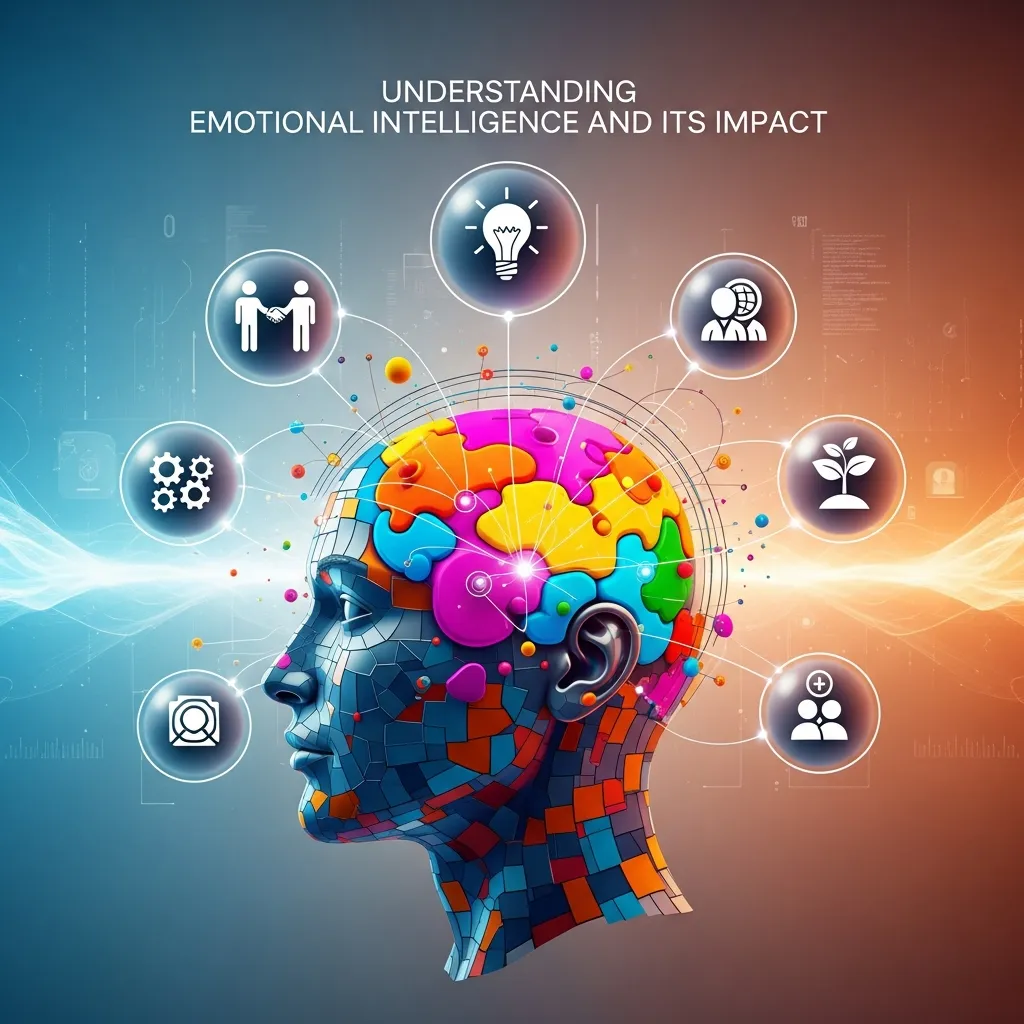
What is Emotional Intelligence?
Emotional intelligence (EI or EQ) refers to a set of interrelated competencies that govern how individuals perceive emotions, process emotional information, and influence the emotions of others. First conceptualized by psychologists Peter Salovey and John D. Mayer, and later popularized by Daniel Goleman, this concept includes five core domains: self-awareness, self-regulation, motivation, empathy, and social skills.
These components work together to shape how we respond to challenges, communicate with others, and make informed decisions. Developing these skills helps individuals become more mindful of their reactions and better equipped to handle complex emotional situations in both personal and professional settings.
The Role in the Workplace
In today’s dynamic work environment, emotional awareness and interpersonal skills have become key factors in professional success. Employees and leaders with strong EI tend to communicate more effectively, resolve conflicts with greater ease, and build stronger relationships within teams.
Research from Harvard Business Review highlights that leaders with higher EQ outperform their peers in employee engagement and team productivity. This shows that technical expertise alone is no longer sufficient—modern workplaces demand empathy, adaptability, and strong communication skills.
Additionally, these abilities help professionals understand team dynamics, manage workplace stress, and contribute to a more inclusive and collaborative environment, especially in leadership roles.
Career Growth and Professional Success
Strong emotional skills play a crucial role in long-term career development. Professionals who actively develop these abilities are more likely to be recognized for leadership potential, as they can manage pressure, handle feedback constructively, and maintain positive workplace relationships.
Improving these competencies enhances communication, builds trust, and helps individuals navigate workplace challenges with confidence—ultimately opening doors to promotions and leadership opportunities.
Building Resilience and Adaptability
Another major advantage of developing EI is improved resilience. In fast-paced and high-pressure environments, individuals with strong emotional control are better equipped to manage stress and stay solution-focused.
They are more likely to view setbacks as learning opportunities, regulate negative emotions, and maintain motivation during difficult situations. This mindset builds a reputation for reliability and consistency.
Why It Matters More Than Ever
As workplaces continue to evolve, the importance of emotional awareness is growing rapidly. With increasing collaboration, remote work, and diverse teams, the ability to understand and manage emotions is essential for maintaining productivity and harmony.
Those who prioritize these skills are better prepared to adapt to change, lead with empathy, and build meaningful connections—contributing not only to personal success but also to overall organizational growth. more details : Impactful Personal Brand for Career Growth
Key Components of Emotional Intelligence Explained
![[object Object]](https://jobsorbis.com/wp-content/uploads/2026/04/emotional-intelligence-unlocking-your-career-poten-image-1.webp)
Strategies to Cultivate Emotional Intelligence
Developing emotional intelligence is an ongoing journey that requires dedication, self-reflection, and practical exercises. Here are five proven strategies to elevate your EI competencies:
1. Enhance Self-Awareness Through Reflection
Maintain an emotion journal where you record daily highs and lows, triggers, and associated thoughts. Over time, patterns emerge that reveal blind spots and areas for growth. Complement journaling with guided mindfulness sessions for at least ten minutes each morning to observe thoughts without judgment and enhance present-moment awareness.
2. Strengthen Self-Regulation Techniques
When facing stress or criticism, practice the “pause-and-breathe” method: count to ten before responding, and focus on slow, deep inhalations to calm the nervous system. Reframe negative narratives by intentionally choosing empowering phrases—transforming “I can’t handle this” into “I can tackle challenges step by step.” Establish healthy outlets like exercise or creative hobbies to process intense emotions positively.
3. Fuel Motivation with Goal Setting
Adopt the SMART framework—set Specific, Measurable, Achievable, Relevant, and Time-bound goals aligned with your core values. Visualize desired outcomes for a few minutes daily, and reward yourself for reaching milestones, no matter how small, to maintain enthusiasm and build positive momentum over long-term projects.
4. Deepen Empathy Through Active Listening
Exercise “presence” in every conversation: eliminate distractions, ask open-ended questions, and paraphrase what you hear to confirm understanding. Practice perspective-taking by imagining colleagues’ viewpoints, acknowledging their emotional states, and validating feelings before offering solutions.
5. Refine Social Skills via Practice and Feedback
Participate in group initiatives or join public-speaking clubs to sharpen communication skills and build confidence. Seek timely feedback on your collaboration style, conflict-resolution approach, and networking techniques. Implement suggestions and observe how incremental adjustments strengthen interpersonal connections.
Emotional Intelligence in Team Dynamics and Leadership
![[object Object]](https://jobsorbis.com/wp-content/uploads/2026/04/emotional-intelligence-unlocking-your-career-poten-image-2.webp)
Applying emotional intelligence in team settings elevates collective performance and morale. Leaders who demonstrate empathy and open communication create psychologically safe environments where team members feel valued and heard. When conflict arises, emotionally intelligent managers address issues promptly by acknowledging emotions, facilitating constructive dialogue, and negotiating win-win solutions.
In meetings, begin with a brief recognition of recent achievements to build positive energy, clearly outline objectives, and invite input by asking, “How is everyone experiencing this challenge?” Such inclusive language fosters trust and motivates active participation. Across transformational leadership roles, emotional intelligence helps set a shared vision that resonates with individual values and organizational goals.
Conversely, team members who apply emotional intelligence navigate interpersonal dynamics more effectively. For example, recognizing when a colleague feels overwhelmed allows you to offer support or collaboratively adjust priorities. This responsiveness strengthens peer relationships and contributes to a resilient, adaptive team culture.
Measuring Progress and Sustaining Emotional Growth
Tracking emotional intelligence improvements ensures that efforts translate into measurable outcomes. Start with validated self-assessment tools—available through professional associations or university research labs—to establish a baseline. Conduct these assessments quarterly to monitor changes and refine your strategies based on observed trends.
Partner with an accountability buddy—a mentor, coach, or peer—who can provide candid feedback and celebrate achievements. Discuss real scenarios where you applied EI principles, evaluate what worked well, and identify areas for further practice. View setbacks as opportunities to gather data, analyze emotional triggers, and adjust approaches accordingly.
Additionally, leverage organizational resources such as EI training workshops or executive coaching programs. Many educational institutions and government agencies now offer certified courses on emotional intelligence. By embedding continuous learning into your career development plan, you sustain momentum and reinforce emotional intelligence as an integral component of your professional identity.


Leave a Reply